-
×
 SteelSeries QcK Edge Cloth Gaming Mouse Pad - XL (Black)
1 × ₨7,499
SteelSeries QcK Edge Cloth Gaming Mouse Pad - XL (Black)
1 × ₨7,499 -
×
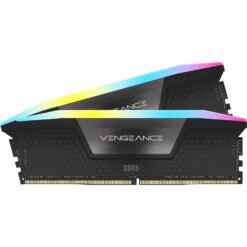 Corsair VENGEANCE RGB 32GB (2x16GB) DDR5 DRAM 6000MT/s C36 Memory Kit - Black
1 × ₨149,999
Corsair VENGEANCE RGB 32GB (2x16GB) DDR5 DRAM 6000MT/s C36 Memory Kit - Black
1 × ₨149,999 -
×
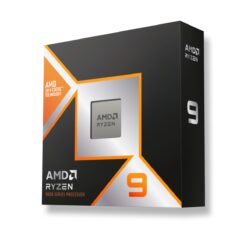
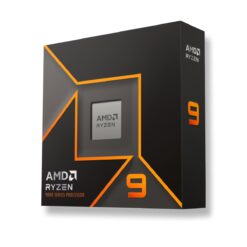 AMD Ryzen 9 9950X Desktop Processor
1 × ₨149,999
AMD Ryzen 9 9950X Desktop Processor
1 × ₨149,999 -
×
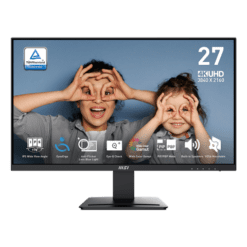 MSI PRO MP273U, 27" 4K (3840x2160) UHD 60Hz, IPS Monitor
1 × ₨70,999
MSI PRO MP273U, 27" 4K (3840x2160) UHD 60Hz, IPS Monitor
1 × ₨70,999 -
×
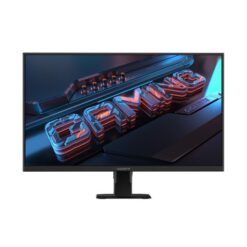 GIGABYTE GS27Q 27" QHD 170Hz 1ms IPS Gaming Monitor
1 × ₨69,999
GIGABYTE GS27Q 27" QHD 170Hz 1ms IPS Gaming Monitor
1 × ₨69,999 -
×
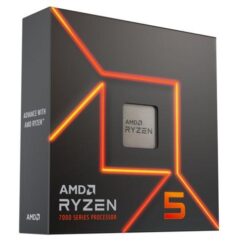 AMD Ryzen 5 7600X 4.7GHz 6-Core AM5 - TRAY
1 × ₨56,999
AMD Ryzen 5 7600X 4.7GHz 6-Core AM5 - TRAY
1 × ₨56,999 -
×
 UGREEN 45000 6-in-1 USB-C Hub with 4K60Hz HDMI
1 × ₨5,999
UGREEN 45000 6-in-1 USB-C Hub with 4K60Hz HDMI
1 × ₨5,999 -
×
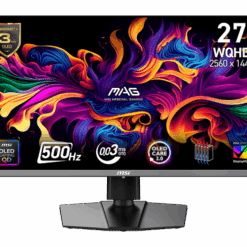 MSI MAG 272QP QD-OLED X50, 27" 2K (2560x1440) WQHD 500Hz 0.03ms, QD-OLED Gaming Monitor
1 × ₨324,999
MSI MAG 272QP QD-OLED X50, 27" 2K (2560x1440) WQHD 500Hz 0.03ms, QD-OLED Gaming Monitor
1 × ₨324,999 -
×
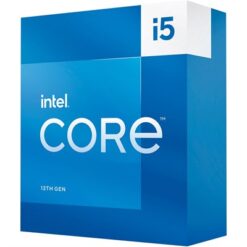 Intel Core i5-13400F 10 Cores Desktop Processor - TRAY
1 × ₨46,999
Intel Core i5-13400F 10 Cores Desktop Processor - TRAY
1 × ₨46,999 -
×
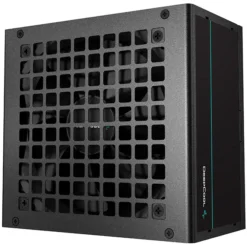 DeepCool PF700X 700W 80 Plus Bronze Power Supply
1 × ₨14,799
DeepCool PF700X 700W 80 Plus Bronze Power Supply
1 × ₨14,799 -
×
 UGREEN 90722 USB-A Male to USB-A Female Extension Cable 5M
1 × ₨2,499
UGREEN 90722 USB-A Male to USB-A Female Extension Cable 5M
1 × ₨2,499 -
×
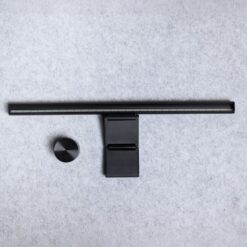 MXG LX100 Monitor Light Bar with Wireless Controller
1 × ₨7,999
MXG LX100 Monitor Light Bar with Wireless Controller
1 × ₨7,999 -
×
 AMD Ryzen 5 5600 AM4 Processor (TRAY)
1 × ₨35,499
AMD Ryzen 5 5600 AM4 Processor (TRAY)
1 × ₨35,499


AMD Ryzen 9 3900X (TRAY)
₨79,500
Out of stock
AMD Ryzen 9 3900X 12-Core 3.8GHz (4.6 GHz Max Boost) TRAY
In our mind, the best processors are the ones that deliver outstanding performance at a reasonable price point. And, the Ryzen 9 3900X absolutely nails this concept.
This processor packs 12-cores and 24-threads in a mainstream package for the first time and does it at a similar price point as the Intel Core i9-9900K, a processor with just 8-cores and 16-threads.
The AMD Ryzen 9 3900X marks yet another blast from Team Red, ramping up the intensity of the AMD vs Intel processor war. Still, though, there’s more than just core counts when it comes to a mainstream processor, as single-core performance needs to be on point, especially if you’re hoping to play the best PC games.
AMD Ryzen 3rd Generation, and the Zen 2 architecture itself, is notable because it leads 7nm processors to the mainstream for the first time. But, there’s a lot more going on under the hood than just a smaller manufacturing node.
The most important improvement, and the easiest to understand, is the massive increase to IPC, or instructions per clock. AMD claims that it was able to increase IPCs in its 3rd generation Ryzen chips by up to 15%, which goes a long way to explaining why single-core performance sees such a boost over something like the AMD Ryzen 7 2700X.
That increased IPC improvements, along with the massive turbo boost of 4.6GHz mean that even in single-core performance – long a weak link of AMD’s processors – comes within reaching distance of Team Blue’s chips.
One thing that the switch to 7nm silicon has allowed for, however, is an increase in cache size. AMD is now describing its L3 and L2 cache in a combined spec of ‘GameCache’ – even though it’s basically the same thing. But, because the 7nm CPU cores are contained within their own chipsets, AMD was able to pack much more in – with a whopping 64MB of L3 and 6MB of L2, for a combined 70MB of GameCache. This is a really big deal, as it allows for much faster performance, especially when you’re shooting for high framerates in 1080p games, and will be especially effective in old esports titles like Counter-Strike: Global Offensive.
Another improvement that comes with AMD Ryzen, and more specifically the X570 chipset, is the long-awaited inclusion of PCIe Gen 4. Now, the only graphics cards that use PCIe 4.0 today are the AMD Radeon RX 5700 XT and AMD Radeon RX 5700, but your GPU is almost less noteworthy than the improvements it will bring to the best SSDs. We were given an Aorus PCIe 4.0 SSD to test, and the speeds we saw were amazing. We were able to get sequential reads of 4,996 MB/s, a 29% boost over our previous fastest SSD, the Samsung 970 Pro. Out of all the features that Ryzen 3rd Generation brings to the table with the new X570 chipset, this might be one of the most meaningful – and also explains the plethora of high-end AMD motherboards on the market this time around.


| Brands | AMD |
|---|
Related products