
Mar
INTRODUCTION
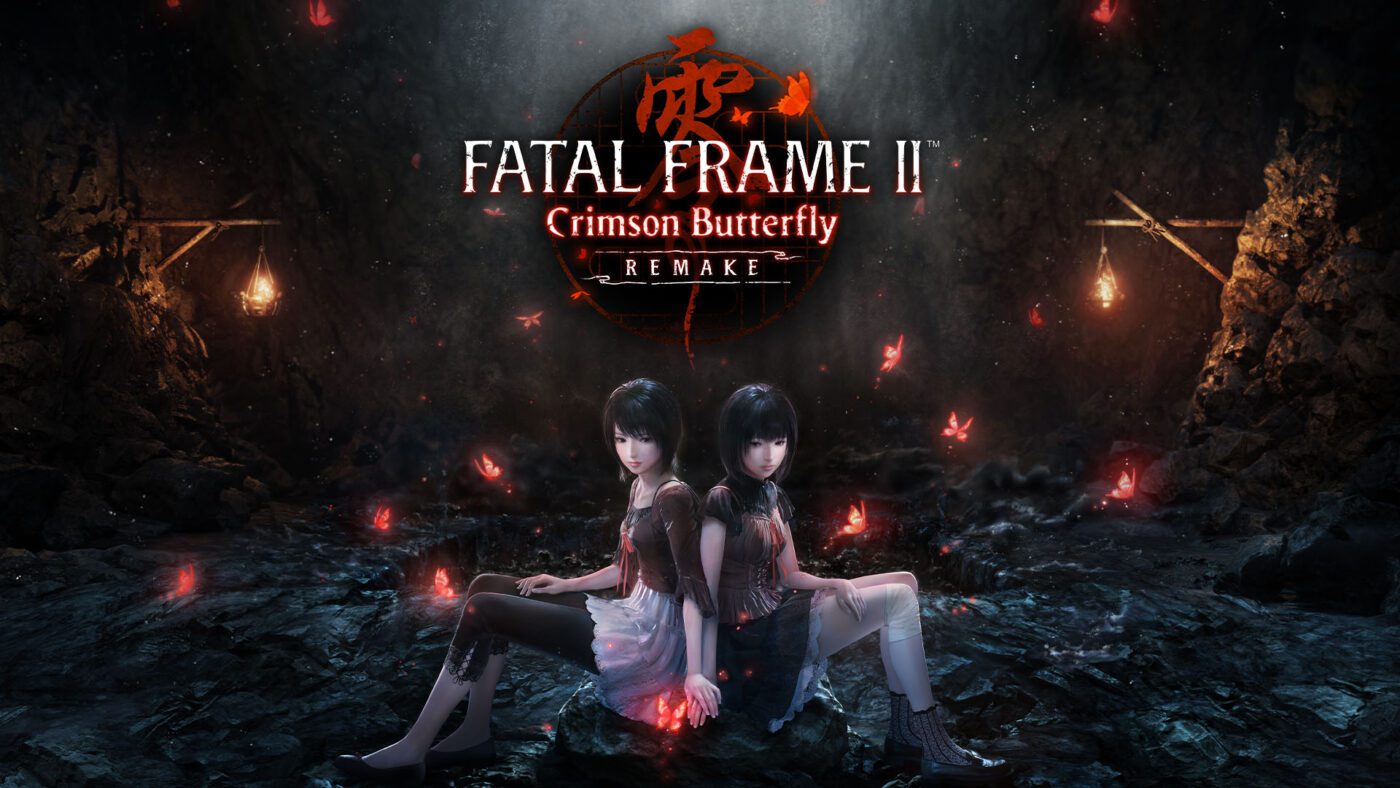
Just one day after its global launch on March 12, 2026, Fatal Frame II: Crimson Butterfly Remake has horror fans buzzing. This full remake of the 2003 PlayStation 2 classic from Koei Tecmo revives the series’ signature blend of Japanese ghost stories, tense camera-based combat, and emotional sibling drama. Available on PlayStation 5, Xbox Series X|S, Nintendo Switch 2, and Steam, it updates the original’s eerie world while preserving what made it legendary. For veterans, stepping back into Minakami Village feels like reuniting with an old nightmare – only sharper, prettier, and somehow even more unsettling. New players get a polished entry point to one of gaming’s most acclaimed horror experiences. At its core, this remake delivers high-octane nostalgia wrapped in modern polish.
STEPPING BACK INTO MINAKAMI VILLAGE
The story follows twin sisters Mio and Mayu Amakura, who wander into the fog-shrouded Minakami Village – a place erased from maps and trapped in eternal night. Lured by a mysterious crimson butterfly, the quiet, introspective Mayu (who walks with a limp from a childhood accident) drifts deeper into the ruins, possessed by lingering spirits. Mio, lively and fiercely protective, must chase after her using the legendary Camera Obscura to photograph and exorcise vengeful ghosts.
As they explore decaying shrines, abandoned homes, and ritual sites, players uncover the village’s dark history of forbidden ceremonies and tragic sacrifices. The atmosphere drips with dread: creaking floorboards, whispering winds, and sudden apparitions that still shock even in 2026. The remake stays faithful to this haunting narrative while adding subtle depth through new side stories unlocked via “broken spirit stones,” letting fans revisit familiar lore with fresh eyes.
VISUAL AND AUDIO UPGRADES THAT AMPLIFY THE FEAR
Graphically, the game is breathtaking. Updated character models, dynamic lighting, and hyper-detailed environments make every lantern-lit corridor and misty forest path feel alive yet oppressive. The original’s grainy PS2 charm has evolved into crisp, atmospheric horror that retains its soul – think rain-slicked stone paths glowing under crimson butterflies. Sound design shines too: creaking wood, distant footsteps, and the camera’s haunting shutter clicks hit harder than ever, enhanced by improved voice acting and an optional new ending song, “Utsushie,” by Tsuki Amano.
These upgrades create a “nostalgia glow-up.” Veterans will instantly recognize the layout of key locations, triggering instant memories of late-night play sessions on the PS2, yet the visuals feel brand new. It’s the perfect bridge between 2003 terror and today’s expectations.
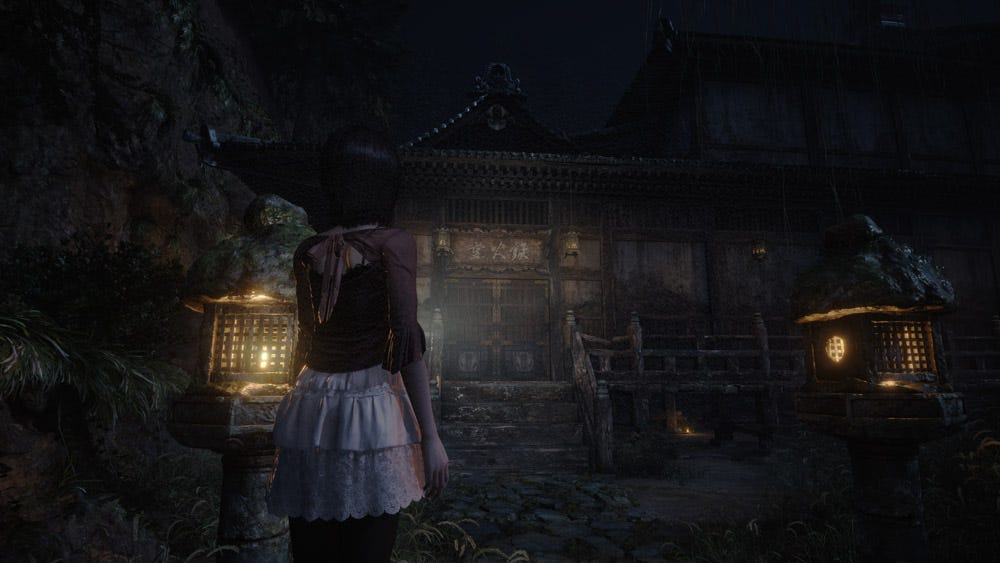
Fatal Frame II: Crimson Butterfly Remake’ Explained: Eikadō Hall Explored (Demo Version/Part I)
GAMEPLAY THAT STILL TERRIFIES
Core mechanics are unchanged: aim the Camera Obscura, build Spirit Power with focused shots, and capture ghosts before they attack. New features include zoom functionality, special filters (“Aftershadow,” “Recall,” “Blood Exorcism”), and the ability to hold Mayu’s hand to restore health and deepen the sisters’ bond. Controls are smoother across platforms, and a free demo with save transfer welcomes new players. Combat retains its deliberate, vulnerable tension – true to the series’ roots.
NOSTALGIA DONE RIGHT
The nostalgia factor is immense. Familiar corridors, ghostly encounters, and the sisters’ heartbreaking dynamic instantly transport veterans back to 2003. Reviews praise it as “nostalgia perfected with better graphics, audio, and quality-of-life improvements.” New side content and an extra ending reward longtime fans, while modern touches make it accessible to everyone. It balances reverence for the original with enough polish to feel current – exactly what remake fans hope for. Whether reliving childhood scares or experiencing the series for the first time, it captures the essence of classic Japanese horror: quiet dread, emotional stakes, and pure tension.
Minakami Village is calling – bring your camera.
